
Ever wondered how the unseen heroes of CNC machining work their magic? Welcome to the world of post processors, the silent powerhouses behind every precise cut and flawless finish. Often overlooked, these tools are the linchpins in transforming your digital designs into tangible masterpieces. If you’ve ever faced the challenge of bridging the gap between software and machinery, this guide is your beacon.
In this comprehensive guide, we’ll unravel the mysteries of post processors:
- Understanding CNC Post Processors
- Exploring Potential and Applications
- Open vs. Closed Post Processors
- Who Benefits from Post Processors?
- Additional Functionalities
- Choosing the Right Post Processor
Post processors might not be the stars of the show, but they’re the backstage crew that makes the performance possible. Stick around, and let’s dive deep into the world of Post Processor – your secret weapon for seamless CNC operations.
Understanding CNC Post Processors: What They are and How They Work
Diving into the world of CNC machining, the term ‘post processor’ often surfaces, yet its critical role is sometimes overshadowed by more prominent components. A post processor, in essence, is a conduit between your CAM (Computer-Aided Manufacturing) software and the CNC machine. It’s the translator that turns your intricate designs into a language that machines understand, ensuring your creative vision is accurately brought to life.
At its core, a post processor functions as a translator. When you design a part of your CAM software, the software creates a generic code to represent your design. However, this code isn’t directly understandable by CNC machines. Each machine has its unique language and requirements. Here’s where the post processor steps in. It takes this generic code and converts it into a specific language tailored to your CNC machine. This process involves not only translation but also customization, ensuring the code aligns with the machine’s capabilities and limitations.
The language a post processor uses is typically G-code, the universal language of CNC machines. G-code commands direct the machine on how to move, how fast to move, and where to move. It’s a series of instructions that guide the machine in creating the desired output. However, it’s not a one-size-fits-all solution. Different machines and manufacturers often require variations in the G-code. The post processor must be adept at modifying this code to suit the specific syntax and functionalities of the machine it’s communicating with. Post processors can also use the following languages:
- C++
- JavaScript
- Python
Incorporating these languages, post processors become incredibly versatile tools, capable of translating and optimizing CNC machine instructions in various environments and applications. This diversity in language support not only broadens the scope of what can be achieved with CNC machining but also opens up the field to a wider range of programmers and designers.
Exploring the Potential and Applications of Post Processors
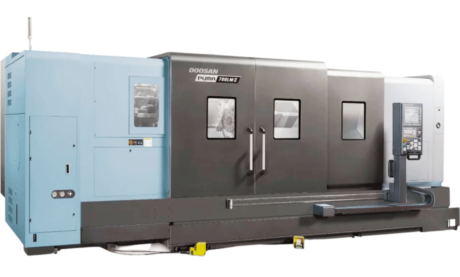
The realm of post processors extends far beyond mere translation of code; they are pivotal in unlocking the full potential of CNC machining. By tailoring instructions to the specific nuances of each machine, post processors enable a range of sophisticated applications. Let’s delve into some of the real-world applications where the capabilities of post processors truly shine.
- Enhancing Precision in Complex Machining: Complex machining tasks demand unparalleled precision, and this is where post processors play a crucial role. They fine-tune the machine’s movements and operations, ensuring that even the most intricate designs are executed with exacting accuracy. This precision is vital in industries like aerospace and medical device manufacturing, where even the slightest deviation can have significant consequences.
- Streamlining Multi-Axis Machining: Multi-axis machining offers the ability to create detailed and complex parts without the need for multiple setups. Post processors make this possible by generating the precise code needed for coordinating the simultaneous movements of multiple axes. This not only enhances efficiency but also reduces the margin for error, ensuring consistent quality in every piece produced.
- Customization for Rapid Prototyping: In the world of rapid prototyping, speed and adaptability are key. Post processors allow for quick customization of machining processes to suit different designs and materials. This flexibility is essential for innovation and testing in industries like automotive and consumer electronics, where time-to-market can be a critical factor.
- Optimizing for High-Speed Machining: High-speed machining is all about maximizing productivity without compromising on quality. Post processors optimize the machine’s operations for speed, ensuring faster production times while maintaining the integrity of the part. This is particularly beneficial in mass production scenarios where efficiency is as important as precision.
- Facilitating Advanced Material Machining: The machining of advanced materials, such as composites or superalloys, requires specific approaches to avoid damage and ensure quality. Post processors can be programmed to adjust the machine’s parameters, like speed and feed rate, to suit these materials, thereby enabling their effective and efficient machining.
- Supporting Additive Manufacturing: Additive manufacturing, or 3D printing, has revolutionized how we think about manufacturing. Post processors in this domain translate designs into precise layer-by-layer instructions, enabling the creation of complex structures that would be impossible with traditional manufacturing methods.
- Integrating with Industry 4.0: In the era of Industry 4.0, the integration of machines with digital technologies is key. Post processors facilitate this by enabling seamless communication between CNC machines and other digital systems, such as ERP (Enterprise Resource Planning) and MES (Manufacturing Execution Systems). This integration is crucial for the smart factories of the future, where automation and data-driven decision-making reign supreme.
In each of these applications, post processors are not just facilitators but enablers of innovation and efficiency. They are the unsung heroes in the background, driving the CNC machining industry towards new heights of precision, versatility, and productivity.
Open vs Closed Post Processors: Exploring the Differences
In the intricate world of CNC machining, understanding the nuances between open and closed post processors is crucial. This knowledge not only influences the flexibility and control you have over your machining processes but also impacts the efficiency and quality of your final product.
Open Post Processors
Open post processors are akin to an open book. They offer a level of accessibility and customization that is invaluable for specific or complex machining tasks. With open post processors, you have the ability to access and modify the source code. This means you can tailor the processor to meet the exact needs of your CNC machine and project. It’s particularly beneficial for unique or non-standard machining operations, where off-the-shelf solutions might not suffice.
The flexibility of open post processors allows for fine-tuning and optimization of the machining process. This can lead to improved efficiency, reduced errors, and a higher quality of the final product. However, this level of control requires a deeper understanding of programming and the specific requirements of your CNC machine. It’s a powerful tool in the hands of an experienced programmer but can be overwhelming for beginners.
Closed Post Processors
Closed post processors, on the other hand, are like a sealed book. They come as proprietary solutions from software or CNC machine manufacturers, and their source code is not accessible for editing or customization. This might sound restrictive, but it offers its own set of advantages. Closed post processors are typically user-friendly, reliable, and require less technical know-how to operate. They are designed to work seamlessly with specific machines or software, ensuring a smooth and error-free operation.
For most standard machining operations, closed post processors are more than sufficient. They provide a hassle-free solution that allows you to focus on the design and production aspects without worrying about the intricacies of the post-processing code. However, the lack of customization means that if you encounter a unique machining challenge, you might find yourself limited by the capabilities of the closed system.
Deciding between an open or closed post processor depends on several factors. Consider the complexity of your machining tasks, the level of customization required, and your own technical expertise. For specialized, high-precision tasks, or if you have the programming skills, an open post processor might be the way to go. For standard operations and ease of use, a closed post processor could be more suitable.
The Diverse Users of Post Processors: Who Benefits?
Post processors are not only a cog in the machinery of CNC machining; they are pivotal tools that cater to a wide array of users. Each group benefits uniquely, showcasing the versatility and indispensability of post processors in various fields.
CNC Machinists and Programmers
For CNC machinists and programmers, post processors are akin to a trusted ally. These professionals rely on post processors to translate CAD/CAM designs accurately into machine-readable instructions. This translation is critical for ensuring that the final product mirrors the original design with precision.
Moreover, post processors help in optimizing tool paths, which is crucial for reducing machine time and enhancing efficiency. They also play a significant role in error reduction, which is vital in industries where precision is non-negotiable, such as aerospace and automotive manufacturing.
In addition to efficiency, post processors aid in machine longevity. By optimizing tool paths, they reduce unnecessary machine strain, thereby extending the lifespan of expensive equipment. This aspect is particularly beneficial for small businesses and workshops where machinery investments are significant.
Product Designers and Engineers
Product designers and engineers find post processors to be invaluable assets in the realm of rapid prototyping and product development. These tools enable them to swiftly transform designs into physical prototypes, facilitating a faster design iteration process. This rapid prototyping is essential in dynamic industries where speed and agility are key to staying competitive, such as consumer electronics and automotive design.
Furthermore, post processors empower designers and engineers to experiment with complex designs that would be challenging to produce manually. This capability not only enhances creativity but also allows for the exploration of more efficient and innovative product designs, which can lead to significant advancements in various fields.
Manufacturing Industry
In the broader scope of the manufacturing industry, post processors are fundamental in customizing and optimizing production processes. They are instrumental in adapting CNC machines to work with a diverse range of materials and product designs. This adaptability is crucial in industries that demand high precision and customization, such as medical device manufacturing or bespoke furniture creation.
Post processors also enhance the scalability of manufacturing operations. They allow for quick adjustments to production lines, enabling manufacturers to respond swiftly to market demands or changes in product design. This flexibility is a significant advantage in today’s fast-paced market, where the ability to pivot quickly can be a key differentiator.
Education and Training
Educational institutions and training centers leverage post processors as essential teaching tools. They provide students with practical, hands-on experience in CNC programming and machining, preparing them for careers in the manufacturing and engineering sectors. Understanding the nuances of post processors is a critical skill for these students, as it directly impacts the quality and efficiency of CNC machining.
In educational settings, post processors also serve as a bridge between theoretical knowledge and real-world application. They allow students to see the tangible results of their designs and understand the practical challenges of machining and manufacturing, which is invaluable in developing well-rounded professionals.
Hobbyists and Small-Scale Makers
Hobbyists and small-scale makers represent a growing segment of post processor users. With the advent of more affordable CNC machines and accessible CAM software, these tools have become increasingly popular among DIY enthusiasts and independent creators. Hobbyists use post processors to bring a professional touch to their personal projects, be it in woodworking, metalworking, or other creative endeavors.
For small-scale makers, post processors open up new possibilities for product customization and small-batch production. They enable these individuals to produce high-quality, bespoke items that can compete with larger manufacturers, thus democratizing the manufacturing landscape.
Research and Development
In the field of research and development, post processors are crucial for pushing the boundaries of what’s possible in manufacturing and material science. They enable researchers to experiment with cutting-edge designs and new materials, leading to breakthroughs in various domains. Post processors facilitate the creation of prototypes and experimental models that are essential for testing and validating new concepts and theories.
Moreover, in R&D, post processors aid in the exploration of new machining techniques and processes. This exploration is vital for discovering more efficient, sustainable, and cost-effective ways of manufacturing, which can have far-reaching impacts across multiple industries.
Beyond the Basics: Additional Functionality of Post Processors
Exploring the depths of post processors reveals functionalities that go far beyond simple code translation. These advanced features not only enhance the efficiency of CNC machining but also contribute significantly to knowledge management, customization, and simulation in manufacturing processes.
Post Processors as a Comprehensive Knowledge Database
Post processors are not translation tools; they serve as comprehensive knowledge databases for CNC machining. They store critical information about machine capabilities, tooling parameters, and material properties. This repository of knowledge is invaluable for ensuring consistent quality and efficiency in manufacturing processes.
For example, consider a large-scale automotive manufacturer that utilizes a variety of CNC machines. The post processor stores detailed information about each machine’s capabilities and limitations. This information is crucial when switching production from one machine to another, ensuring seamless transitions and maintaining consistent product quality.
The post processor’s database helps predict machine behavior, avoid potential errors, and optimize production schedules.
Adapting Post Processors to Specific Manufacturing Needs
The adaptability of post processors to specific manufacturing needs is another key functionality. They can be customized to suit unique production requirements, whether it’s for a small-scale artisan workshop or a high-volume industrial manufacturer.
A notable instance of this is seen in the aerospace industry, where precision and customization are paramount. Aerospace components often require the machining of complex geometries and exotic materials. Post processors in this sector are tailored to handle these specific challenges, ensuring that the CNC machines can accurately and efficiently produce the intricate parts needed for aerospace applications.
This customization extends to accommodating unique tooling and machining strategies specific to aerospace materials, thus ensuring the highest standards of precision and safety.
Utilizing Post Processors for Realistic Machine Simulations
One of the most advanced functionalities of post processors is their ability to conduct realistic machine simulations. These simulations allow manufacturers to visualize and analyze the entire machining process before actual production begins. This feature is crucial for identifying potential issues, optimizing tool paths, and ensuring the final product meets design specifications.
A real-life example of this can be seen in the manufacturing of complex medical devices. These devices often require extremely precise and intricate machining. By using post processors for simulations, manufacturers can meticulously plan and visualize the machining process, ensuring that the medical devices are manufactured with the utmost precision and meet all regulatory standards.
This preemptive simulation significantly reduces the risk of costly errors and material wastage, which is especially important in the medical industry where precision is non-negotiable.
Choosing the Right Post Processor: Key Features to Consider

Selecting the appropriate post processor is a critical decision in CNC machining, impacting everything from workflow efficiency to final product quality.
Seamless Integration with CAM Systems
The integration of a post processor with CAM (Computer-Aided Manufacturing) systems is a cornerstone for efficient CNC machining. A seamless integration means that the post processor can effortlessly interpret and translate the CAM system’s output into machine-readable code.
This compatibility is crucial for ensuring that the designs created in the CAM software are accurately and efficiently executed by the CNC machine. When the integration is not smooth, it can lead to errors in the machining process, such as incorrect tool paths or machine movements, which can be costly and time-consuming to rectify. Therefore, when choosing a post processor, it’s essential to verify that it is fully compatible with your CAM system, ensuring a streamlined workflow from design to production.
Understanding Pricing Structures and Software Package Inclusions
The cost of a post processor and its inclusion in software packages is a significant consideration. Some CAM systems include a basic post processor as part of the package, while others might offer advanced features for an additional fee. Understanding this pricing structure is crucial for budgeting and ensuring you get the necessary features without overspending.
For instance, a basic post processor might be sufficient for standard machining tasks, but complex or specialized projects might require advanced features that are only available in premium versions. It’s important to assess your specific needs against the features offered in different pricing tiers to make an informed decision.
Tailoring NC Output for Specific Machine Systems
Customizing the NC (Numerical Control) output for specific machine systems is a critical capability of a post processor. Each CNC machine has its unique set of instructions and capabilities. A post processor that allows for customization ensures that the NC code is precisely tailored to each machine’s specifications.
This customization is vital for optimizing machine performance, reducing wear and tear, and ensuring the accuracy of the final product. It involves adjusting parameters such as tool paths, cutting speeds, and feed rates to match the machine’s capabilities, which can significantly impact the quality and efficiency of the machining process.
Tools for In-CAM Post Processor Customization
In-CAM post processor customization tools are essential for fine-tuning the post-processing to specific project requirements. These tools allow users to modify the post processor settings directly within the CAM software, providing a higher degree of control and flexibility. Some of the key tools include:
- Parameter Adjustment Tool: Allows users to modify parameters like feed rate, spindle speed, and tool change commands.
- Code Testing and Simulation Tool: Enables testing and simulation of the NC code within the CAM environment to ensure accuracy before actual machining.
- Custom Command Insertion Tool: Offers the ability to insert custom G-code or M-code commands for specific machining operations.
- Error Detection and Correction Tool: Helps in identifying and correcting potential errors in the post-processed code.
Flexibility in Program Transference Between Machines
The ability to transfer programs between different CNC machines with minimal adjustments is a valuable feature of a post processor. This flexibility is crucial in a dynamic manufacturing environment where production schedules and machine allocations can change rapidly.
A post processor that allows for easy adaptation of NC code to different machines can save significant time and resources. This feature is particularly beneficial for facilities that operate a fleet of diverse CNC machines, as it enables quick reconfiguration of production lines without the need for extensive reprogramming.
Access to Training for Effective Post Processor Use
Access to comprehensive training for the effective use of a post processor is crucial for maximizing its capabilities. Proper training ensures that users can fully leverage the post processor’s features, leading to improved efficiency and quality in CNC machining. Training can come in various forms, such as online tutorials, webinars, in-person workshops, or detailed user manuals.
Effective training covers aspects like basic operation, advanced features, troubleshooting, and best practices for customization. This knowledge is essential for both new users and experienced professionals to stay updated with the latest features and techniques in post-processing.
Elevate Your CNC Game with the Right Post Processor
As we wrap up this journey through the world of post processors, you’re now armed with the knowledge to make informed decisions that can transform your CNC machining process. From understanding the basics to exploring advanced functionalities, this guide has covered the essential aspects of post processors. Here are the key takeaways:
- The critical role of post processors in CNC machining
- The importance of seamless integration with CAM systems
- Customization options for specific manufacturing needs
- The versatility of post processors in various industries
- Key considerations when choosing the right post processor
Post Processor isn’t just a tool; it’s a game-changer in the CNC world. By choosing the right one, you’re not only optimizing your machining process but also unlocking new possibilities in precision, efficiency, and creativity. Remember, the right post processor can be the bridge between a good idea and a great product. Embrace the power of [Post Processor] and watch your CNC projects reach new heights of excellence.

Emelia Benitez