
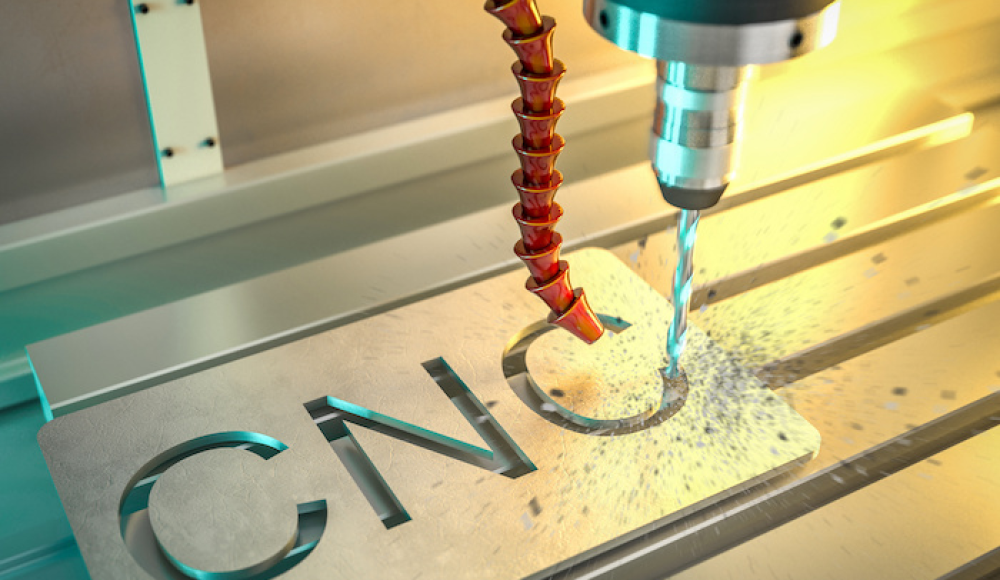
In the dynamic landscape of modern manufacturing, the advent of Computer Numerical Control (CNC) technology has been a game-changer, particularly in the realm of metal machining. This SEO-optimized article delves into the intricacies of CNC metal machines, exploring their purpose, materials used, processes involved, advantages, and a glimpse into the promising future of this transformative technology.
Understanding CNC Machines
CNC machines, short for Computer Numerical Control machines, represent a significant leap in manufacturing technology. These machines are automated and operated by computer programs, allowing for precise control and repeatability in various manufacturing processes.
CNC in the World of Metal Machining
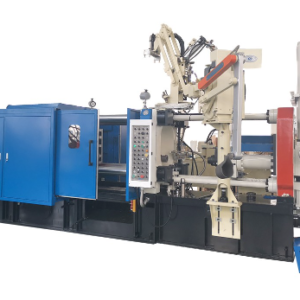
When it comes to working with metals, CNC metal machines take center stage. These sophisticated tools leverage CNC technology to cut, shape, and manipulate metal with unparalleled precision. From crafting intricate components to large-scale metal fabrication, CNC metal machines have become indispensable in modern manufacturing.
Purpose of CNC Metal Machines
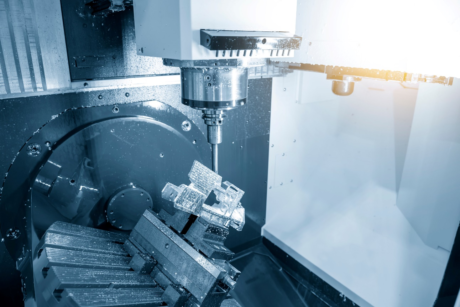
The primary purpose of CNC metal machines lies in their ability to execute complex machining tasks with accuracy and efficiency. These machines transform raw metal materials into finished products, meeting exact specifications and tolerances. This precision is crucial in industries where the slightest deviation can impact the quality of the final output.
Materials Used in CNC Metal Machines
Versatility is a hallmark of CNC metal machines, allowing them to work with a variety of metals. Common materials include steel, aluminum, brass, and alloys. The choice of material depends on the specific requirements of the project, with CNC metal machines adapting seamlessly to diverse metalworking challenges.
Process of CNC Metal Machines
The process of CNC metal machining involves several key steps. First, a detailed computer-aided design (CAD) is created, specifying the dimensions and geometry of the desired product. This design is then translated into a CNC program that guides the machine through the cutting, milling, or drilling processes. The result is a meticulously crafted metal component that meets the exact design specifications.
Advantages of CNC Metal Machines
The advantages of employing CNC metal machines are numerous. Precision is at the forefront, as these machines can achieve tolerances and intricacies that surpass traditional machining methods. Efficiency is another key advantage, with CNC metal machines capable of rapid and consistent production. Additionally, the automation reduces the margin for human error, enhancing the overall quality of the manufactured parts.
Future of CNC Metal Machines
As we gaze into the future of manufacturing, CNC metal machines are poised to play an even more significant role. The integration of smart technologies, artificial intelligence, and enhanced automation will further elevate the capabilities of CNC metal machines. Predictive maintenance, real-time monitoring, and adaptive machining are on the horizon, ensuring a future where these machines continue to push the boundaries of precision and efficiency.
Conclusion
In conclusion, CNC metal machines have redefined the landscape of metal machining. Their precision, versatility, and efficiency make them indispensable in industries ranging from aerospace to automotive. As we look ahead, the future of CNC metal machines holds the promise of even greater advancements, cementing their status as the cornerstone of modern metalworking.
FAQs
1. How Does CNC Technology Revolutionize Metal Machining?
CNC technology revolutionizes metal machining by providing automated, precise control over the machining processes. It ensures unparalleled accuracy, efficiency, and repeatability in crafting intricate metal components.
2. What Metals Can Be Processed Using CNC Metal Machines?
CNC metal machines exhibit versatility, working with various metals such as steel, aluminum, brass, and alloys. This adaptability makes them suitable for a wide range of metalworking applications.
3. How Thick Can CNC Metal Machines Accurately Process Metals?
The accuracy of CNC metal machines is impressive, allowing for the processing of metals with varying thicknesses. The exact thickness capability depends on the specific machine and its configurations.
4. What Advantages do CNC Metal Machines Offer Over Traditional Machining Methods?
CNC metal machines boast several advantages, including precision, efficiency, and reduced margin for error. The automation they provide leads to consistent production and high-quality finished products, setting them apart from traditional methods.
5. What Advancements Can We Expect in the Future of CNC Metal Machines?
The future of CNC metal machines holds exciting prospects, including increased integration with smart technologies, artificial intelligence, and enhanced automation. Predictive maintenance, real-time monitoring, and adaptive machining are on the horizon, promising even greater precision and efficiency.
2 thoughts on “The Beginers’ Guide of CNC Metal Machines”