
Introduction of Delrin
Definition and Chemical Structure of Delrin
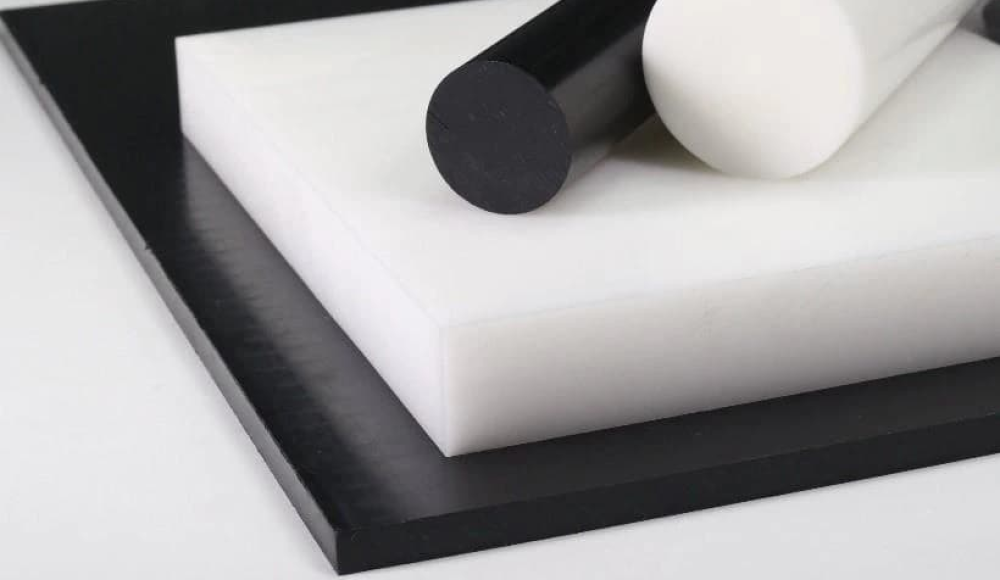
Delrin is a brand name for a type of acetal resin, which is a high-performance thermoplastic. The generic name for Delrin is polyoxymethylene (POM). It belongs to the family of polymeric materials known as polyoxymethylenes, which are also commonly referred to as polyacetals.
Historical Background and Development
Delrin, also known as polyoxymethylene (POM), was developed by DuPont, an American chemical company, in the early 1950s. The development of Delrin was part of a broader effort in the mid-20th century to create new and improved materials with enhanced properties for industrial applications.
Overview of Its Primary Characteristics and Advantages
Delrin is a high-performance engineering thermoplastic known for its excellent combination of mechanical, thermal, and chemical properties. Here is an overview of the primary characteristics and advantages of Delrin:
Mechanical Properties
High Strength: Delrin exhibits high tensile strength and stiffness, making it suitable for applications that require mechanical robustness.
Impact Resistance: It has good impact resistance, providing durability in various operating conditions.
Fatigue Resistance: Delrin has good resistance to fatigue, maintaining its mechanical properties over extended use.
Dimensional Stability
Low Coefficient of Thermal Expansion: Delrin has a low coefficient of thermal expansion, contributing to its dimensional stability over a wide temperature range.
Low Water Absorption: The material has low water absorption, helping to maintain its physical properties even in humid environments.
Low Friction and Wear Resistance: Low Coefficient of Friction: Delrin exhibits low friction characteristics, making it suitable for applications where reduced wear and smooth operation are essential.
Excellent Wear Resistance: It has good resistance to wear, making it suitable for components like gears, bushings, and bearings.
Chemical Resistance
Chemical Inertness: Delrin is resistant to a wide range of chemicals, including solvents, fuels, and many oils, which enhances its suitability for various industrial applications.
Processing Ease
Machinability: Delrin is easily machinable, allowing for the production of complex shapes and precision components through processes like machining and injection molding.
Good Flow Properties: It exhibits good flow properties during processing, facilitating the production of intricate parts.
Electrical Properties
Low Dielectric Constant: Delrin has low dielectric constant and dissipation factor, making it suitable for electrical insulating applications.
Weather Resistance
UV Resistance: Delrin demonstrates good resistance to ultraviolet (UV) radiation, making it suitable for outdoor applications.
Wide Temperature Range
Operating Temperature Range: Delrin can withstand a broad temperature range, from -40°C to 100°C (-40°F to 212°F), allowing for versatility in various applications.
FDA Approval
Food Contact Approval: Delrin is approved for certain food-contact applications by the U.S. Food and Drug Administration (FDA), enhancing its use in the food and beverage industry.
Overall, Delrin’s combination of mechanical strength, dimensional stability, chemical resistance, and ease of processing makes it a preferred material for a wide range of applications in industries such as automotive, aerospace, electronics, and consumer goods.
What are the Material Properties of Delrin?
Mechanical Properties of Delrin
It is an engineering thermoplastic renowned for its exceptional mechanical properties. This high-performance material boasts a notable tensile strength, allowing it to withstand substantial pulling forces without compromising structural integrity. With a high flexural modulus, Delrin is rigid and maintains dimensional stability when subjected to bending or flexural loads. Its low elongation at break indicates limited deformation before failure, ensuring reliability in maintaining shape under stress. Additionally, Delrin exhibits good impact resistance, hardness, compressive strength, fatigue resistance, and creep resistance. Its low coefficient of friction makes it suitable for applications requiring reduced wear, such as gears and bearings. These mechanical attributes collectively position Delrin as a versatile material, finding widespread use in industries where a combination of strength, durability, and dimensional stability is paramount.
Thermal Properties of Delrin
It showcases noteworthy thermal properties that contribute to its versatility in diverse applications. With a low coefficient of thermal expansion, Delrin exhibits remarkable dimensional stability across a broad temperature range. This characteristic ensures that the material maintains its shape and structural integrity even when exposed to varying thermal conditions. Furthermore, Delrin demonstrates excellent thermal resistance, allowing it to withstand temperature extremes without significant degradation in its mechanical properties. These thermal attributes, coupled with the material’s resistance to creep under prolonged thermal exposure, make Delrin well-suited for applications in which consistent performance over a wide temperature spectrum is essential. Whether in automotive components, electrical insulators, or consumer goods, Delrin’s thermal properties contribute to its reliability in demanding environments.
Chemical Properties of Delrin
Delrin, a high-performance engineering thermoplastic, possesses commendable chemical properties that enhance its suitability for a range of industrial applications. Known for its chemical inertness, Delrin exhibits resistance to a diverse array of chemicals, including solvents, fuels, and oils. This property ensures the material’s stability and integrity in environments where exposure to various substances is prevalent. Moreover, Delrin’s resistance to moisture absorption contributes to its long-term performance, maintaining its mechanical and dimensional properties even in humid conditions. These chemical characteristics make Delrin a preferred choice in applications where exposure to aggressive chemicals or variable environmental conditions is a consideration, such as in automotive components, industrial machinery, and consumer products.
Physical Properties of Delrin
It is characterized by a set of physical properties that contribute to its widespread use in engineering applications. The material has a crystalline structure, resulting in a smooth and glossy surface finish. Delrin’s density is relatively high, providing it with substantial weight and a solid feel. It has a low coefficient of friction, which, combined with its excellent wear resistance, makes it ideal for moving parts and components like gears and bearings. Additionally, Delrin exhibits high dimensional stability due to its low water absorption and minimal thermal expansion. The material is available in various colors, allowing for aesthetic flexibility in design applications. These physical properties collectively make Delrin a sought-after engineering thermoplastic for applications where a balance of mechanical strength, surface finish, and dimensional precision is crucial, such as in automotive components, consumer goods, and industrial machinery.
Electrical Properties of Delrin
Delrin, also known as polyoxymethylene (POM), possesses electrical properties that contribute to its versatility in applications requiring insulating materials. With a low dielectric constant and dissipation factor, Delrin is an effective electrical insulator, making it suitable for use in various electrical and electronic components. Its ability to resist the flow of electric current and minimize energy loss due to heat is valuable in applications where electrical insulation is critical. Furthermore, Delrin’s excellent surface resistivity and volume resistivity enhance its performance in electrical insulation applications, ensuring reliable operation in diverse environments. These electrical properties make Delrin a preferred choice for applications ranging from electrical connectors and insulating components to consumer electronics and other electrical devices where reliable electrical performance is paramount.
How to Choose the Right Delrin Material?
Selecting the appropriate Delrin material involves a thoughtful consideration of key factors tailored to the specific requirements of the intended application. Begin by identifying the grade of Delrin that aligns with the mechanical demands of your project, taking into account parameters such as tensile strength, impact resistance, and wear characteristics. Evaluate the thermal properties of the material to ensure compatibility with expected operating temperatures, considering factors like thermal stability and coefficient of thermal expansion. Chemical resistance is crucial; thus, examine Delrin’s ability to withstand exposure to relevant substances in the operating environment. Additionally, assess electrical properties if the application involves electronic components, verifying dielectric constant, dissipation factor, and resistivity metrics. Consider manufacturability aspects and the suitability of Delrin in specific processes like machining or molding. Regulatory compliance, cost considerations, and the reputation of the supplier should also factor into the decision-making process to ensure a well-informed choice that meets both performance requirements and operational constraints.
How is Delrin Used? What Can you Make With Delrin?
Delrin, a high-performance engineering thermoplastic, finds extensive use across industries due to its versatile properties. Commonly employed in the manufacturing of gears, bearings, and bushings, Delrin’s low friction, high wear resistance, and dimensional stability make it a go-to material for precision mechanical components. In the automotive sector, Delrin contributes to the production of diverse components such as fuel system parts, door systems, and interior components, owing to its strength, stiffness, and chemical resistance. The material’s electrical insulating characteristics make it suitable for crafting connectors, switches, and housings in the electrical industry, while its biocompatibility and sterilizability make it applicable in certain medical devices. In sports and recreation, Delrin is utilized in the fabrication of ski bindings, paintball markers, and components for bicycles and fishing reels, showcasing its adaptability across a spectrum of applications. Its machinability further allows for the production of custom-machined parts in various industries, highlighting Delrin’s broad utility in manufacturing. Overall, Delrin stands as a material of choice for applications requiring a combination of durability, precision, and resistance to wear and environmental factors.
How to Manufacture Delrin Products?
Delrin products are manufactured using various processes, depending on the specific requirements of the final application. Here are some common manufacturing methods for Delrin products:
Injection Molding Delrin
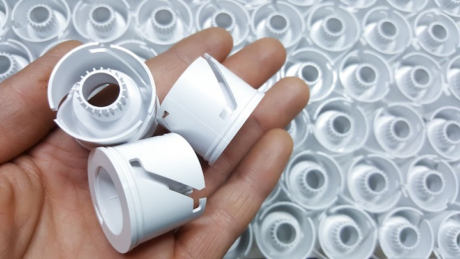
Injection molding is a widely used process for producing complex and high-volume Delrin parts. The process involves melting Delrin pellets and injecting the molten material into a mold cavity, where it solidifies and takes the shape of the mold. This method is suitable for manufacturing components such as gears, bearings, and other intricate parts.
CNC Machining Delrin
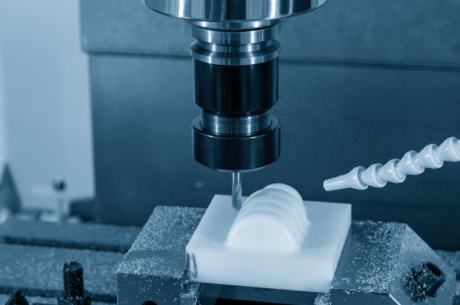
Delrin is known for its machinability, making it suitable for precision machining processes. Computer Numerical Control (CNC) machining, milling, and turning are common methods used to produce custom-machined Delrin parts with tight tolerances. This approach is ideal for prototypes, low-volume production, and parts requiring intricate details.
3D Printing
When considering 3D printing with Delrin, it’s crucial to keep in mind that the success of the process relies on the compatibility between the material and the 3D printing technology. Consultation with material suppliers and 3D printer manufacturers with expertise in high-performance polymers is advisable.
How do you Assemble Delrin Parts?
Assembling Delrin parts involves using appropriate joining methods based on the specific requirements of the application. Delrin, being a thermoplastic, can be assembled using various techniques depending on factors such as part geometry, load conditions, and desired aesthetics. Here are common methods for assembling Delrin parts:
Mechanical Fastening
Bolts, screws, nuts, and other mechanical fasteners can be used to join Delrin parts. This method is effective for applications where disassembly and reassembly may be necessary. Proper consideration should be given to the design of joints, ensuring that fasteners do not cause stress concentrations that could compromise the material’s integrity.
Adhesive Bonding
Adhesive bonding involves using compatible adhesives to join Delrin parts. The surfaces to be bonded should be cleaned thoroughly, and the adhesive should be chosen based on Delrin’s properties. Cyanoacrylate adhesives (super glues) and epoxy adhesives are commonly used for bonding Delrin. Adhesive bonding provides a strong joint without the need for visible fasteners.
Ultrasonic Welding
Ultrasonic welding is a technique that uses ultrasonic vibrations to create heat at the joint interface, melting the material and allowing it to fuse together. This method is suitable for joining Delrin parts with simple geometries. It produces strong, reliable bonds without the need for additional materials.
Hot Plate Welding
Hot plate welding involves heating the surfaces of Delrin parts to a molten state using a hot plate and then pressing them together to form a bond as the material cools. This method is effective for joining larger or more complex Delrin components.
Snap Fits and Interlocking Features
Designing parts with snap fits, interlocking tabs, or dovetail features allows for self-assembly without additional fasteners or adhesives. This method is suitable for applications where ease of assembly and disassembly is essential.
Thermal Insertion
Metal inserts or fasteners can be thermally pressed into Delrin parts. This is commonly done using heated metal inserts that are pressed into the material, creating a secure joint. This method is often used when additional strength or durability is required in the joint.
Before choosing an assembly method, it’s crucial to consider the specific requirements of the application, such as load conditions, environmental factors, and the need for disassembly. Additionally, testing and validation of the chosen assembly method are recommended to ensure the integrity and performance of the final assembly.
Application of Delrin in Rapid Prototyping
Delrin finds diverse applications in rapid prototyping across various industries. Here’s how Delrin is utilized in rapid prototyping for automotive, electrical, household appliances, and consumer products:
Automotive
Gears and Bushings: Delrin’s high mechanical strength and low friction properties make it ideal for prototyping gears and bushings in automotive components. The material’s durability allows designers and engineers to create functional prototypes that withstand the mechanical stresses typical in automotive applications.
Interior Components: Delrin is used in prototyping interior components such as switches, knobs, and levers. Its resistance to wear, chemicals, and dimensional stability ensures that prototypes accurately represent the final components.
Electrical
Connectors and Housings: In electrical applications, Delrin is employed for prototyping connectors and housings due to its electrical insulating properties. Its machinability allows for the creation of intricate prototypes, and the material’s resistance to chemicals ensures longevity in electrical components.
Insulating Components: Delrin’s low dielectric constant and high resistance make it suitable for prototyping insulating components in electrical devices. Prototypes can accurately simulate the electrical behavior of the final products.
Household Appliances
Handles and Knobs: Delrin’s strength, durability, and resistance to chemicals and temperature variations make it suitable for prototyping handles and knobs in household appliances. Designers can assess the feel and functionality of these components before mass production.
Mechanical Parts: Prototyping mechanical components, such as levers and hinges in appliances like washing machines or dishwashers, can be efficiently done using Delrin. Its machinability allows for the creation of complex geometries.
Consumer Products
Mechanical Components: Delrin is widely used in prototyping various mechanical components for consumer products such as toys, sporting goods, and tools. Its mechanical properties allow designers to create prototypes that closely mimic the final product’s performance.
Enclosures and Casings: Prototyping enclosures and casings for consumer electronics and devices is feasible with Delrin. Its resistance to impact, chemicals, and UV radiation makes it suitable for applications where robustness and aesthetics are crucial.
What’s the Right Surface Finishing for Delrin?
Delrin has a smooth and glossy surface finish by nature, which is one of its distinctive characteristics. However, depending on the specific application and aesthetic requirements, additional surface finishing processes may be applied. Here are some common surface finishing options for Delrin:
Polishing
Delrin can be polished to achieve an even smoother and more reflective surface. Polishing helps eliminate minor imperfections and enhances the overall appearance of the component. This is particularly useful when a high-gloss finish is desired for aesthetic reasons.
Sanding
Sanding is employed to smooth the surface of Delrin and remove any visible machining marks or rough areas. Different grits of sandpaper can be used to achieve varying levels of smoothness. This process is effective for achieving a uniform and matte finish.
Bead Blasting
Bead blasting involves using fine glass beads or other media to bombard the surface of Delrin, creating a textured finish. This process is often used for functional or aesthetic purposes, providing a matte appearance and enhancing grip in certain applications.
Texturing
Delrin surfaces can be textured to create specific patterns or surface structures. Texturing is often employed for functional reasons, such as improving grip or reducing glare, and it can also be used for aesthetic purposes.
Chemical Etching
Chemical etching involves the use of chemicals to alter the surface of Delrin selectively. This process can be used for creating patterns, textures, or even for marking components. Care must be taken to ensure that the chemical treatment does not compromise the material’s integrity.
Anodizing
Anodizing is typically associated with metals, but it can also be used for certain polymers. This process can alter the surface properties of Delrin, providing increased resistance to wear and corrosion. However, anodizing is not as common for Delrin as it is for metals.
Coating
Applying coatings, such as paints or specialized coatings, can alter the appearance and properties of Delrin. Coatings can be chosen based on the desired finish, whether it’s a specific color, texture, or additional functionality such as increased UV resistance.
When selecting a surface finishing method for Delrin, it’s important to consider the intended application, functional requirements, and the desired aesthetics. Additionally, the compatibility of the chosen finishing method with the specific grade of Delrin being used should be taken into account. Always follow the manufacturer’s recommendations and guidelines for surface finishing to ensure the best results and to maintain the material’s integrity.
How do Geometric Tolerances Behave for Large Delrin Parts?
Geometric tolerances for large Delrin parts, like those used in industrial applications, are influenced by various factors, including the manufacturing process, material properties, and part geometry. Delrin, or polyoxymethylene (POM), is a thermoplastic known for its excellent machinability, dimensional stability, and mechanical properties. Here are considerations for geometric tolerances in large Delrin parts:
Machining Tolerances
Delrin is often machined to achieve precise dimensions and tight tolerances. The achievable tolerances for machined Delrin parts depend on the capabilities of the machining equipment, the complexity of the part geometry, and the expertise of the machinist. CNC machining processes, when properly controlled, can achieve tight tolerances in large Delrin components.
Material Properties
Delrin’s stable mechanical properties contribute to the material’s overall dimensional stability. It is important to account for factors such as thermal expansion and contraction when specifying tolerances for large parts, especially when they are subject to temperature variations in their operating environment.
Injection Molding Tolerances
For large Delrin parts produced through injection molding, the tolerances are influenced by the molding process. Injection molding can achieve relatively tight tolerances, but factors such as part design, tooling precision, and material variations can affect the final dimensions. It’s essential to work closely with the injection molding manufacturer to determine achievable tolerances.
Assembly Tolerances
If the final product involves the assembly of multiple Delrin components, the cumulative effect of tolerances from each individual part should be considered. Proper design practices and tolerancing should account for assembly variations to ensure proper fit and functionality.
Design Considerations
Large Delrin parts with intricate geometries may present challenges in maintaining tight tolerances, especially in features like holes, slots, and complex profiles. Designers should carefully consider part geometry, material behavior, and manufacturing processes to specify achievable and cost-effective tolerances.
Quality Control
Implementing robust quality control measures during manufacturing is crucial for ensuring that large Delrin parts meet specified tolerances. Inspection techniques, such as coordinate measuring machines (CMM) or optical measurement systems, can be employed to verify dimensional accuracy.
Documentation and Communication
Clearly define and communicate geometric tolerances in engineering drawings and documentation. Collaborate with manufacturers to discuss achievable tolerances based on the chosen manufacturing process and equipment.
It’s important to note that the specific tolerances achievable for large Delrin parts can vary based on the manufacturing method, part complexity, and the overall production environment. Consulting with experienced engineers, machinists, or injection molding experts is recommended to determine realistic and cost-effective tolerances for your specific application. Regularly testing and inspecting parts during production and quality control processes help ensure that tolerances are consistently met.
How Much does it Cost to Machine Delrin Parts?
The cost of machining Delrin parts can vary based on several factors, including the complexity of the part, the quantity needed, the machining processes involved, and the supplier’s pricing structure. Here are some key factors that influence the cost of machining Delrin parts:
Material Cost
The cost of the Delrin material itself is a significant factor. Delrin is generally more expensive than common plastics but less expensive than some engineering polymers. Prices can vary based on the specific grade of Delrin required for the application.
Part Complexity
The complexity of the part’s design influences machining time and tooling requirements. More intricate geometries may require specialized tooling and longer machining times, impacting the overall cost.
Machining Process
The choice of machining processes, such as CNC milling or turning, affects the cost. CNC machining is a common method for producing Delrin parts, and the complexity of the part and the number of setups required can influence the cost.
Tolerance Requirements
Tighter tolerance requirements often require more precise machining processes and additional quality control measures, contributing to increased costs.
Quantity
The quantity of Delrin parts being machined influences the overall cost. Economies of scale may apply, with larger production runs often resulting in lower per-unit machining costs.
Tooling and Setup
Initial tooling and setup costs are part of the overall machining cost. These costs are spread across the production run, so larger quantities can help distribute these costs more efficiently.
Labor Costs
Labor costs are a significant component, including the time spent programming CNC machines, setting up tools, and overseeing the machining process.
Post-Machining Processes
Additional processes, such as polishing, surface finishing, or assembly, can contribute to the overall cost. These processes are often necessary to meet specific requirements or achieve a desired final appearance.
Supplier Location
The geographic location of the machining supplier can impact costs due to variations in labor rates, overhead expenses, and shipping costs.
Are There Design Restrictions for Delrin Parts?
While Delrin (polyoxymethylene or POM) is a versatile and machinable material, there are certain design considerations and limitations that engineers and designers should be aware of to ensure successful manufacturing and optimal performance of Delrin parts. Here are some key design restrictions for Delrin parts:
Sharp Corners and Edges
Avoid extremely sharp corners and edges in the design, as they can lead to stress concentrations. Delrin, like other materials, is subject to stress risers, which can affect the part’s strength and durability.
Thin Sections
Extremely thin sections can be challenging to machine and may be prone to warping or distortion during the manufacturing process. Designers should ensure that wall thicknesses are adequate for the specific manufacturing method used.
Undercuts
Delrin is a subtractively manufactured material, and certain undercuts or complex geometries may be challenging to machine using standard processes like CNC milling. Consider the machining capabilities and tool access when designing undercuts.
Draft Angles
Including draft angles in the design facilitates easier mold release and machining. Adequate draft angles help prevent issues such as part sticking, tool binding, and surface finish problems during machining.
Thread Design
While Delrin can be threaded, designers should consider the material’s relatively low strength compared to metals. Coarse threads and proper engagement are recommended to avoid thread stripping.
Chemical Exposure
Delrin is resistant to many chemicals, but prolonged exposure to certain aggressive chemicals or solvents may affect its properties. Designers should be aware of the intended environment and potential chemical exposures.
Temperature Considerations
Delrin has a relatively low melting point compared to metals. While it performs well in a wide temperature range, prolonged exposure to high temperatures can lead to degradation. Ensure that the operating temperature is within the material’s specified range.
Surface Finish
Delrin has a naturally smooth and glossy surface finish. Designers should consider if additional finishing processes are required for specific applications, such as polishing or coating, to achieve desired aesthetics or functional properties.
Assembly Considerations
Design parts with considerations for ease of assembly. Components with complex geometries or tight tolerances may be challenging to assemble, and assembly processes should be taken into account during design.
Material Selection
Ensure the selection of the appropriate grade of Delrin based on the specific requirements of the application, such as mechanical properties, chemical resistance, and thermal stability.
FAQs
1. How Durable is Delrin?
Delrin, also known as polyoxymethylene (POM), is highly durable, characterized by its exceptional mechanical strength, wear resistance, and dimensional stability. This engineering thermoplastic is widely used in applications demanding long-term reliability and structural integrity.
2. What Materials are Similar to Delrin in Terms of Strength?
Materials with strength similar to Delrin (POM) include Nylon, Acetal, Polyethylene Terephthalate (PET), Polyetheretherketone (PEEK), Polycarbonate (PC), Polyphenylene Sulfide (PPS), Polypropylene (PP), and Polyethylene (PE), each offering robust mechanical properties suitable for diverse engineering applications. The choice among these materials depends on specific application requirements such as temperature resistance, chemical compatibility, and mechanical performance.
3. Is Delrin Brittle?
Delrin (polyoxymethylene or POM) is not inherently brittle; it exhibits a balanced combination of strength and toughness. Its high impact resistance and ability to withstand repetitive stresses contribute to its overall toughness, making it suitable for applications where durability and resistance to breakage are important considerations.
4. How Resistant is Delrin?
Delrin (polyoxymethylene or POM) is highly resistant to wear, chemicals, and moisture. Known for its robustness, Delrin exhibits exceptional durability, making it suitable for applications where resistance to various environmental factors is crucial.
5. Is Delrin a Good Substitute for Metal?
Delrin (polyoxymethylene or POM) is often considered a good substitute for metal in certain applications due to its high strength, excellent wear resistance, and self-lubricating properties. Its lightweight nature, corrosion resistance, and ability to be precision-machined make it an attractive alternative in scenarios where metal components may be traditionally used.
6. What’s The Minimum Dimension Achievable With Delrin?
The minimum achievable dimension with Delrin (polyoxymethylene or POM) is dependent on the specific machining or molding capabilities of the manufacturing process being used. Precision machining methods, such as CNC milling, can achieve intricate details and tight tolerances, allowing for small features and dimensions in Delrin parts.
7. How Thin Can Walls be for Delrin Parts?
The minimum thickness of walls in Delrin parts is influenced by factors such as the manufacturing process and the specific grade of Delrin being used. Generally, Delrin can accommodate relatively thin walls, and the design should consider the material’s strength and the intended application to determine appropriate wall thickness.
8. What are the Maximum Working Temperatures Allowed for Delrin Parts?
Delrin (polyoxymethylene or POM) has a maximum continuous use temperature of around 80 to 100 degrees Celsius (175 to 212 degrees Fahrenheit), depending on the specific grade and formulation. While it exhibits good thermal stability, prolonged exposure to temperatures beyond this range may lead to degradation of mechanical properties.