
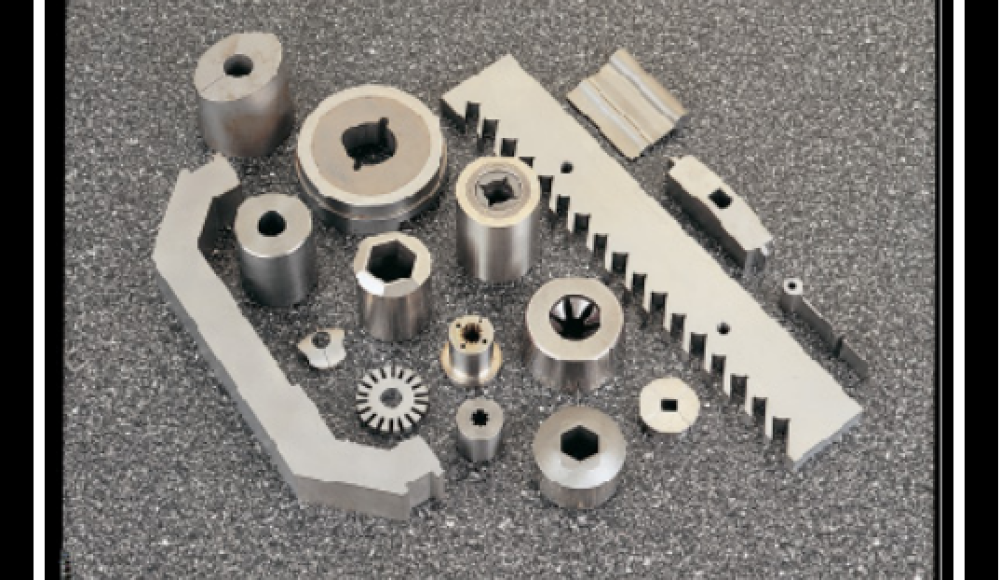
In the fast-paced world of modern manufacturing, precision is not just a requirement but a competitive edge. One technology that stands out in achieving unparalleled precision is Electrical Discharge Machining (EDM). Let’s delve into the intricacies of EDM, exploring its definition, the process, and its pivotal role in reshaping the landscape of manufacturing.
Introduction
Precision in manufacturing is a pursuit of perfection, and EDM is the key to unlocking it. EDM, short for Electrical Discharge Machining, is not just a process; it’s a revolution in the way we shape materials. In this article, we’ll journey through the fundamentals of EDM, its applications, and the impact it has on modern manufacturing.
Understanding EDM
Imagine sculpting metal with electricity, that’s the essence of EDM. Born in the 1940s, EDM has evolved into a sophisticated method of material removal. It’s not just about cutting; it’s about precision, intricacy, and the ability to shape materials with unmatched accuracy.
EDM Machine
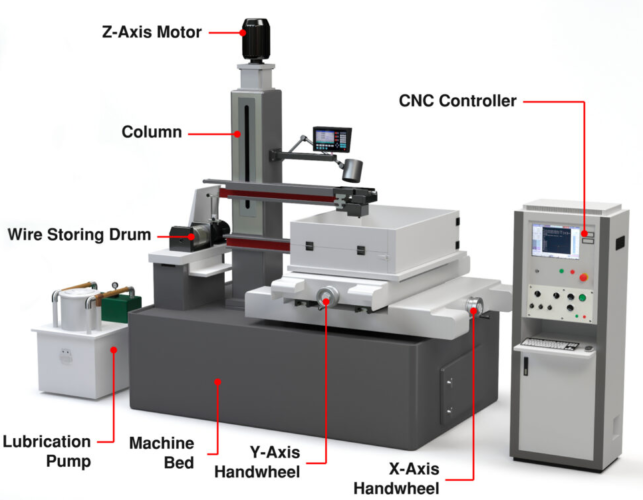
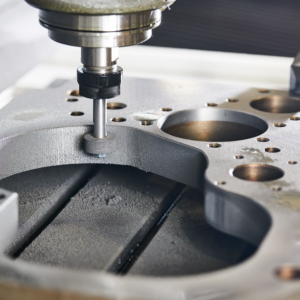
At the heart of EDM lies the EDM machine, a technological marvel designed for precision machining. Whether it’s wire EDM or sinker EDM, these machines are the artisans of the modern era, sculpting materials with electrical discharges.
Tools Used in EDM Machine
The tools used in EDM machines are as crucial as the machine itself. Electrodes, dielectric fluids, and advanced software contribute to the precision EDM is known for. Technological advancements continue to refine these tools, pushing the boundaries of what can be achieved.
Usage Of EDM Machine
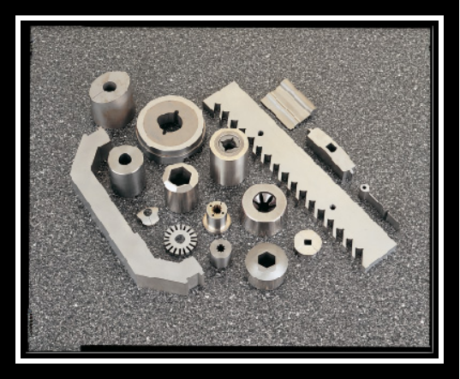
Industries such as aerospace, medical, and mold making owe a great deal to EDM. The versatility of EDM machines shines in their applications, from crafting intricate parts for medical devices to creating molds with meticulous precision.
EDM Cutting
EDM cutting is more than a process; it’s an art. Using electrical discharges to erode material, EDM cutting allows for the creation of complex shapes and precise cuts. The result is not just a product; it’s a masterpiece of engineering.
Purpose of EDM Cutting
The primary purpose is to achieve levels of precision that traditional machining methods struggle to match. From crafting small, intricate parts to shaping hardened materials, EDM cutting is the secret sauce in achieving accuracy beyond measure.
Materials Used in EDM Cutting
While EDM is versatile, it has its preferences. Common materials include metals like aluminum and titanium, but the process primarily caters to conductive materials. Understanding these material nuances is key to unlocking the full potential of EDM.
Difference Between EDM Machine and CNC Machine
In the world of machining, EDM and CNC machines play distinct roles. While CNC machines rely on computer-controlled precision, EDM takes a different path, utilizing electrical discharges for cutting. Understanding their differences is crucial in choosing the right technology for specific tasks.
Advancements in EDM Technology
As technology marches forward, so does EDM. Integration with Artificial Intelligence, automation, and other modern trends is revolutionizing the industry. The future of EDM promises even greater precision and efficiency in material removal.
The Role of EDM in Manufacturing
EDM isn’t just a tool, it’s a catalyst for productivity and efficiency in manufacturing. Its ability to work with hardened materials and create intricate designs makes it an invaluable asset in the production process. The marriage of precision and efficiency is where EDM truly shines.
Challenges and Solutions in EDM
Like any technology, EDM comes with its challenges. Electrode wear, material removal rates, and other issues are part of the journey. Ongoing research and development are addressing these challenges, ensuring that EDM remains at the forefront of precision machining.
Conclusion
In conclusion, EDM is not just machining; it’s a journey into precision. From its humble beginnings in the 1940s to the sophisticated processes of today, EDM has redefined how we approach manufacturing. As industries evolve, so does the demand for precision, and EDM stands ready to meet and exceed those demands.
FAQs
1. Is EDM Only Used in High-Tech Industries?
EDM finds applications in various industries, including aerospace, medical, and mold making.
2. What are the Common Materials Used in EDM Cutting?
Common materials include metals like aluminum and titanium, but EDM primarily works with conductive materials.
3. How Does EDM Cutting Differ From Traditional Machining Methods?
EDM cutting relies on electrical discharges for precision, allowing for intricate shapes and precise cuts.
4. Can EDM Machines Work With Non-Conductive Materials?
EDM is primarily designed for conductive materials, and working with non-conductive substances poses limitations.
5. What Advancements are Expected in the Future of EDM Technology?
The future of EDM technology involves increased integration with Artificial Intelligence and automation for enhanced precision and efficiency.
1 thought on “EDM: The Power in Modern Manufacturing”